
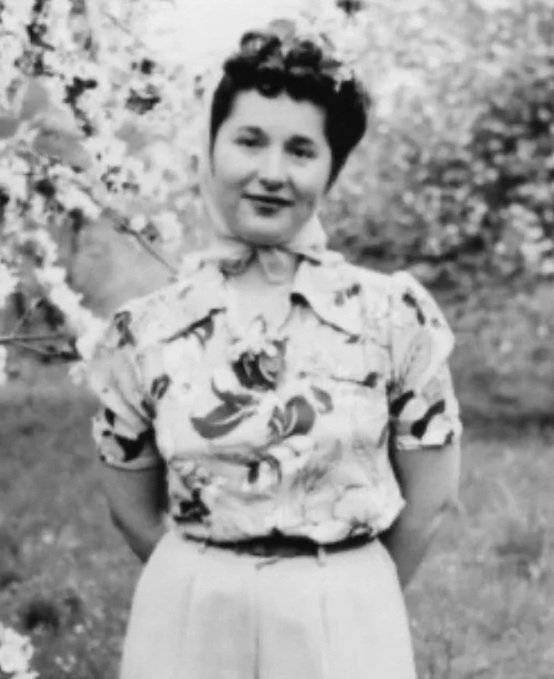
Created AZT for AIDS patients.
Helped kids with leukemia live a lot longer.
Developed an entirely new way to creat
Born in New York in 1918, Gertrude Elion was a biochemist and pharmacologist who shared the 1988 Nobel Prize in Physiology or Medicine with George Hitchings and Sir James Black for their use of innovative methods of rational drug design in the development of new drugs.
What is “rational drug design”? That means using only molecules that have the shape and electrical charge to connect well with the target problem in the body.
Once researchers have molecules that have the right shape and electrical charge, THEN they begin more efficient research. It’s a much better use of resources and increases the speed of research. Previously, scientists relied on plant knowledge that had come down from ancestral knowledge (such as willows yielding aspirin) or accidents, such as mold yielding penicillin).
Elion’s fiance died of a heart infection, and this experience encouraged her to focus on research, rather than pursue a traditional Ph.D. Elion focused on drugs that targeted the DNA of bacteria and viruses, and her work led to the creation of AZT, used to treat AIDS. Because of AZT, people can live long lives with AZT - they no longer die in their 30’s as they once did:
“ … the drug her team developed both attacked herpes and could be used to fight Epstein-Barr, chickenpox, and shingles. It also ushered in a new era of antiviral therapy, opening the door to the development of the first drug to treat AIDS: AZT. Elion’s name appears on 45 patents for life-saving and life-changing drugs.”
https://www.nobelprize.org/stories/women-who-changed-science/gertrude-elion/
She also developed the first treatments for childhood leukemia and a drug that prevented organ rejection.
She was one of the few laureates without a Ph.D. to win the Nobel Prize.
But as a young woman, Elion had been rejected by 15 graduate schools because she was a woman.
Still she persisted. “At age 19, with a degree in chemistry, she looked for work. She took jobs as a secretary, a chemistry teacher, and an unpaid worker in a lab. Finally, when World War II diminished the ranks of male chemists, Elion got her break.”
We are all lucky that she did.
https://www.nobelprize.org/stories/women-who-changed-science/gertrude-elion/
